Finalists 2026
ZKB Pionierpreis Technopark 2026

RTDT Laboratories AG (Zurich)
Winner ZKB Pionierpreis Technopark 2026
Prize money: CHF 100,000
Founded: 2022
15 employees
Headquarters: Zurich
https://rtdt.ai
Sensor patches for next-generation wind efficiency
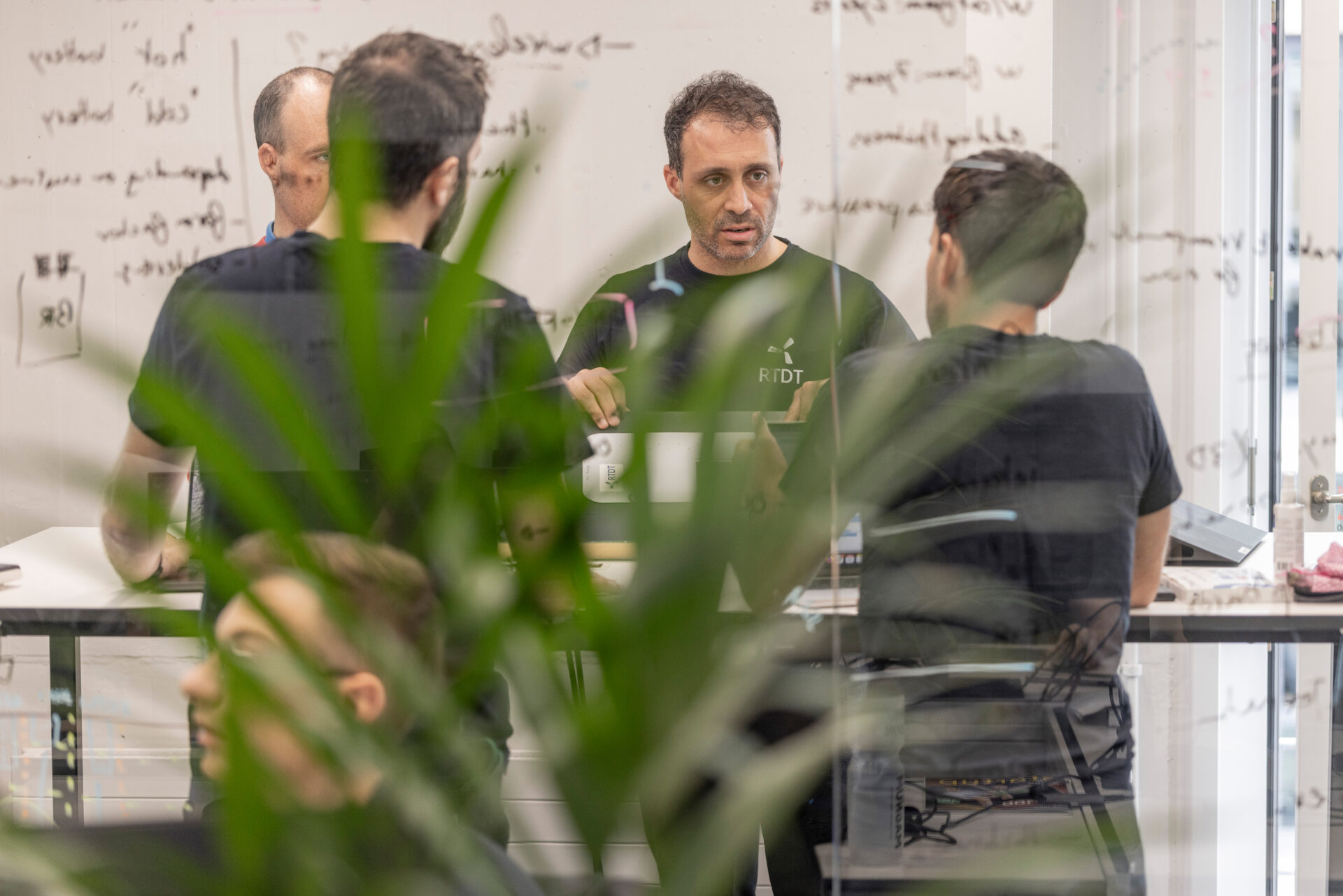
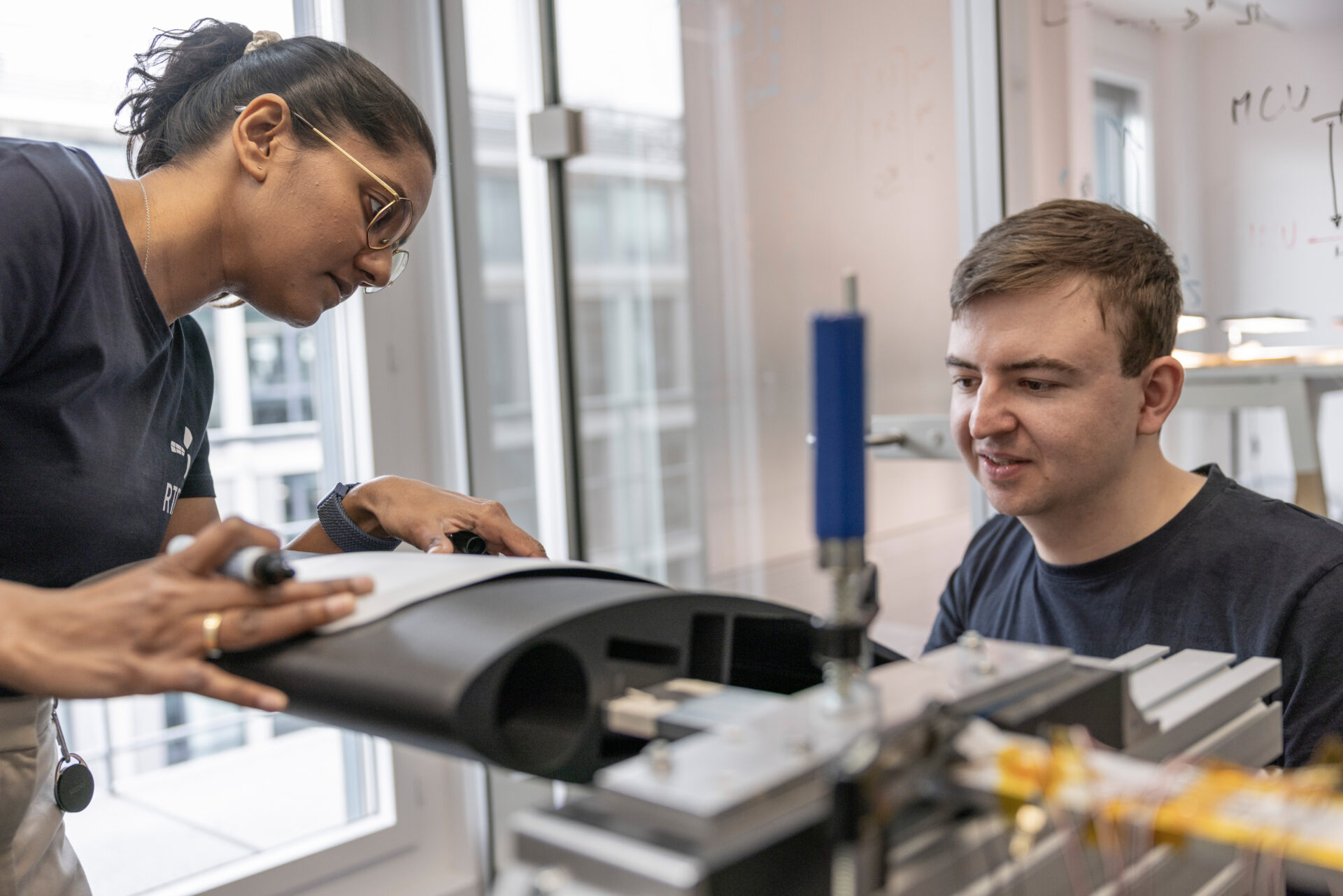
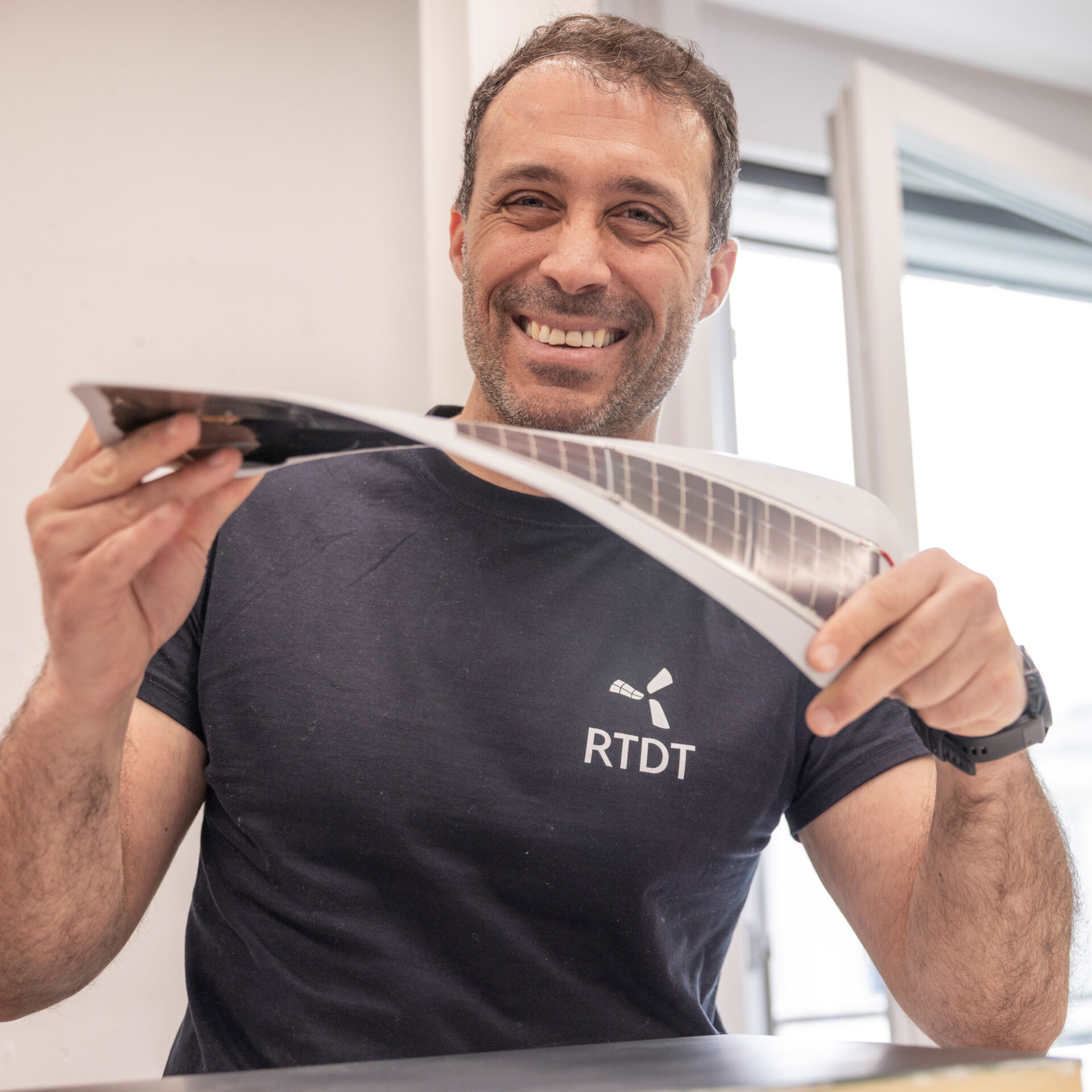
RTDT Laboratories develops sensor patches for wind turbine rotor blades. The system, called Aerosense, consists of self-adhesive strips measuring up to 40 cm in length, 16 cm in width, and just 4 mm in thickness. Sensors embedded within these patches measure dynamic pressure, vibrations, and mechanical loads acting continuously on the rotor blades, providing operational data directly from real-world conditions.
The patches are flexible, allowing them to conform to the blade geometry, while remaining highly durable. They are designed to operate continuously for at least one year under harsh climatic conditions and at rotational speeds exceeding 300 km/h. Integrated photovoltaic cells supply power, while data is transmitted wirelessly to a gateway at the top of the turbine and from there uploaded to the cloud, where a digital twin of the rotor blade is created. Reliable transmission of large volumes of data under these conditions required RTDT to adapt the Bluetooth firmware used.
Specialists from turbine manufacturers and operators can directly compare the raw data with flow simulations, accurately assess pressure distributions, and further develop both blade geometry and control algorithms in a targeted way. Corresponding projects with wind energy companies are already underway. The ETH spin-off’s business model combines hardware sales with an annual subscription for data and analysis software.
Industrial production of the hardware is currently being tested. If successful, manual sensor assembly will be replaced by fully automated manufacturing through a Swiss partner, reducing production costs by more than 70%. Two patents covering hardware and software have been granted, with two further applications pending, including one for the flexible sensor casing.
The next step is already planned: the automated feedback of analysis results into the machine control system without expert interaction. In addition, further application areas are emerging, including wind tunnel testing and modern rigid yacht sails.
“With the prize money, we can finance the developer working on control optimization software for another year,” says CEO Imad Abdallah. “Equally important are the intangible benefits. I attended the Pionierpreis award ceremony for the first time last year and saw the level of reputation the award brings to the winner.”
“The efficiency of wind turbines is a key lever in the energy transition. RTDT stands out with a technologically leading solution that seamlessly integrates sensor technology, AI-driven analytics, and control systems—delivering a significant improvement in both economic performance and operational lifespan. From its visionary concept to its advanced engineering execution, this solution represents a genuine technological pioneering achievement.”— Lothar Thiele, Jury Chair


GlycoEra AG (Zurich)
Runner-up
Prize money: CHF 10,000
Founded: 2020
32 employees
Headquarters: Wädenswil (ZH)
www.glycoera.com
Sugars targeting autoimmune disease
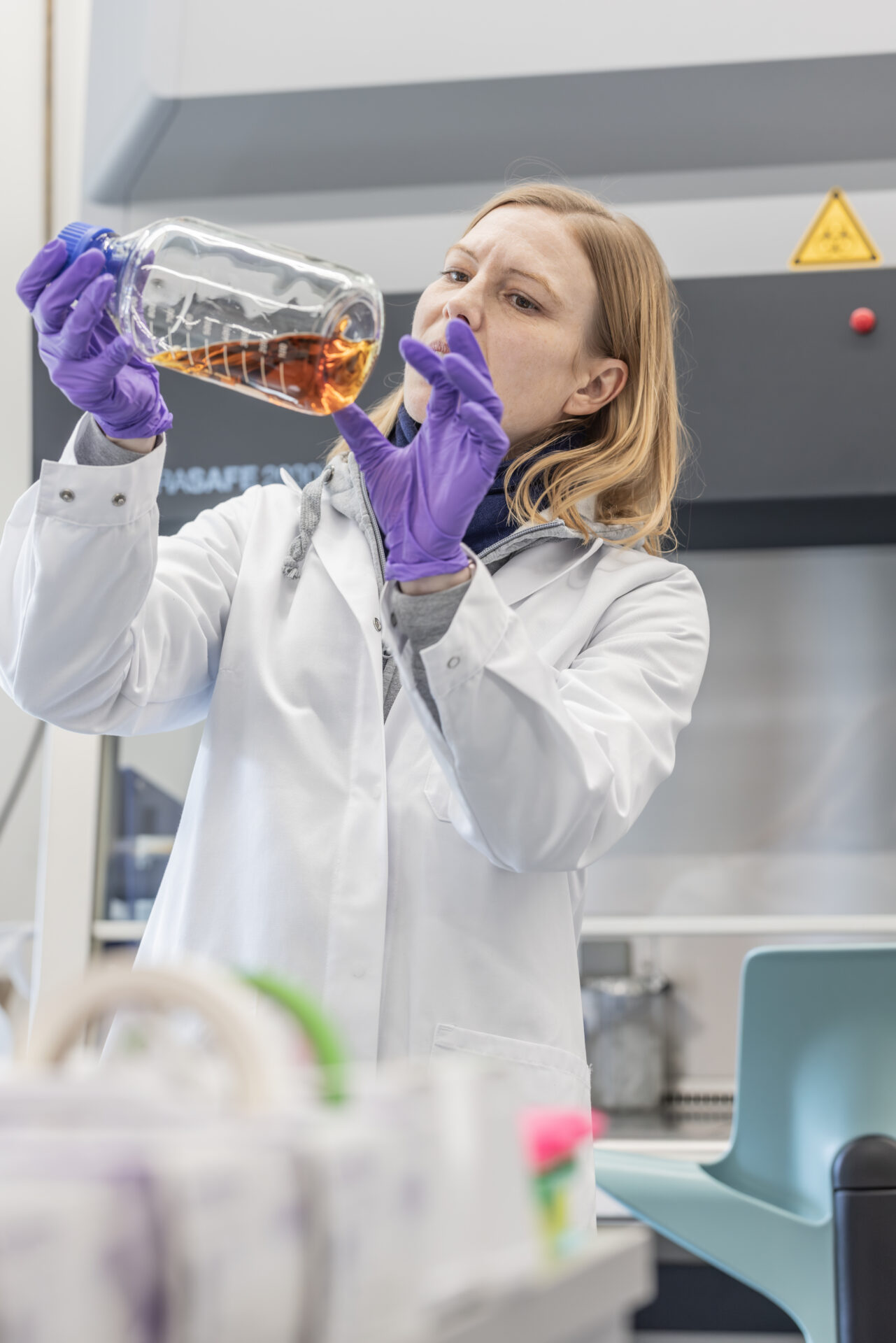
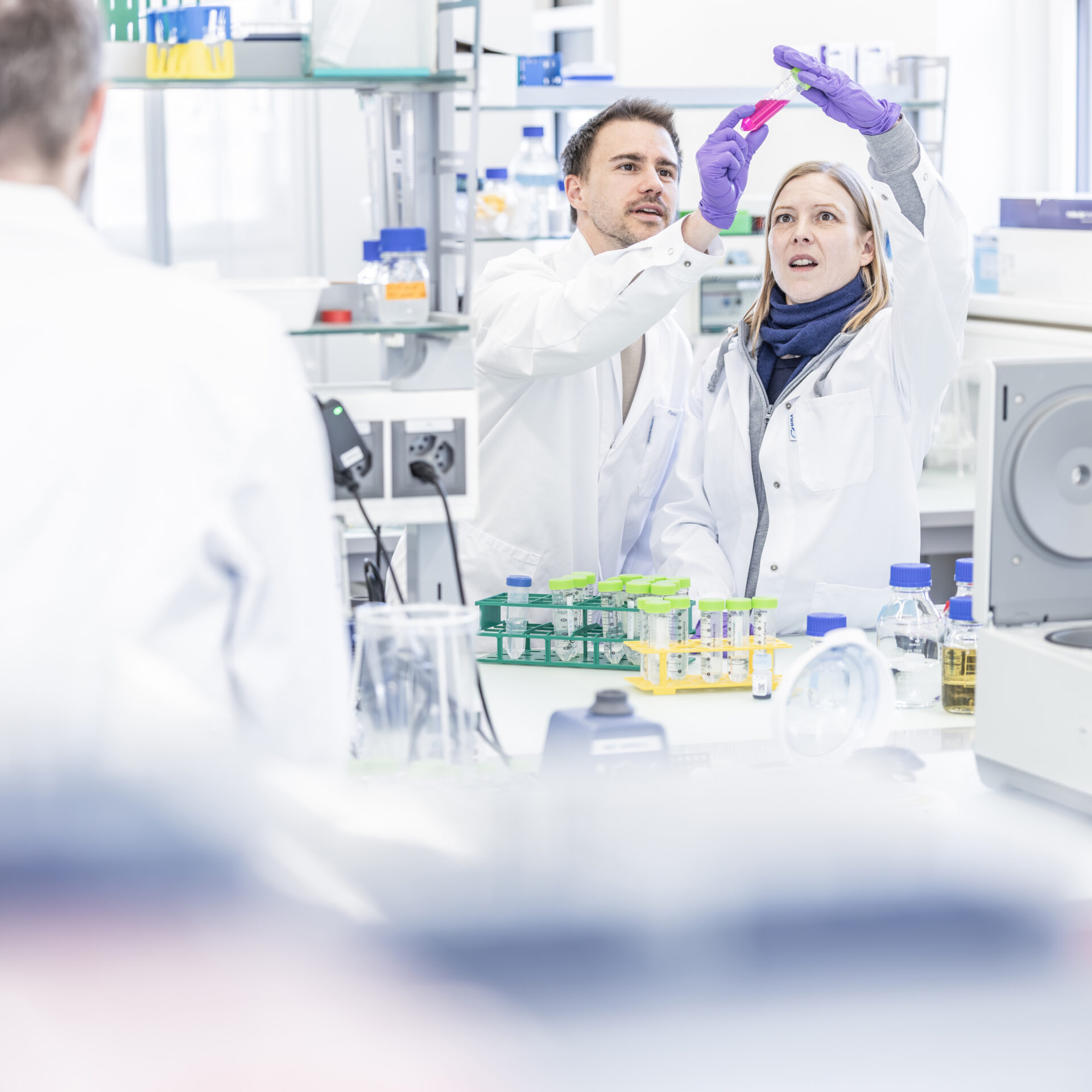
GlycoEra is pursuing a novel approach to treating autoimmune diseases. The biotech startup develops new types of biologics with a mechanism that enables the natural degradation of harmful components via the liver. To this end, GlycoEra has developed a so-called protein degrader, produced by genetically modified single cells—a biological molecule that removes disease-causing proteins, in particular autoantibodies, from the bloodstream.
One end of the molecule binds to the target protein, while the other carries a precisely defined sugar structure that activates a receptor on liver cells. This triggers the natural breakdown of the harmful protein together with foreign cellular material. Only the specific sugar structure initiates this degradation process.
Conventional therapies act broadly and suppress the immune system entirely. GlycoEra selectively degrades the harmful target protein without affecting the rest of the immune system, enabling treatment at earlier stages of the disease. In tests, target proteins were reduced by more than 90% within a few hours.
Preparations for Phase 1 clinical trials are currently underway, with results expected in 2027. In May 2025, GlycoEra completed a financing round of USD 130 million.
“This award is a strong recognition of our team’s achievements,” says Manuela Mally, VP Technology at GlycoEra. “They truly deserve it.”
“Autoimmune diseases remain one of the most widespread medical challenges of our time. GlycoEra is breaking new ground with its selective degradation of disease-causing autoantibodies. With its adaptor-based approach already translated into practice, the company is delivering pioneering work with the potential to impact a wide range of indications.”
— Andreas Plückthun, Professor of Biochemistry at the University of Zurich and Jury Member

roboa AG (Zurich)
Runner-up
Prize money: CHF 10,000
Founded: 2025
12 employees
Headquarters: Zurich
www.roboa.ch
A robotic snake for confined environments
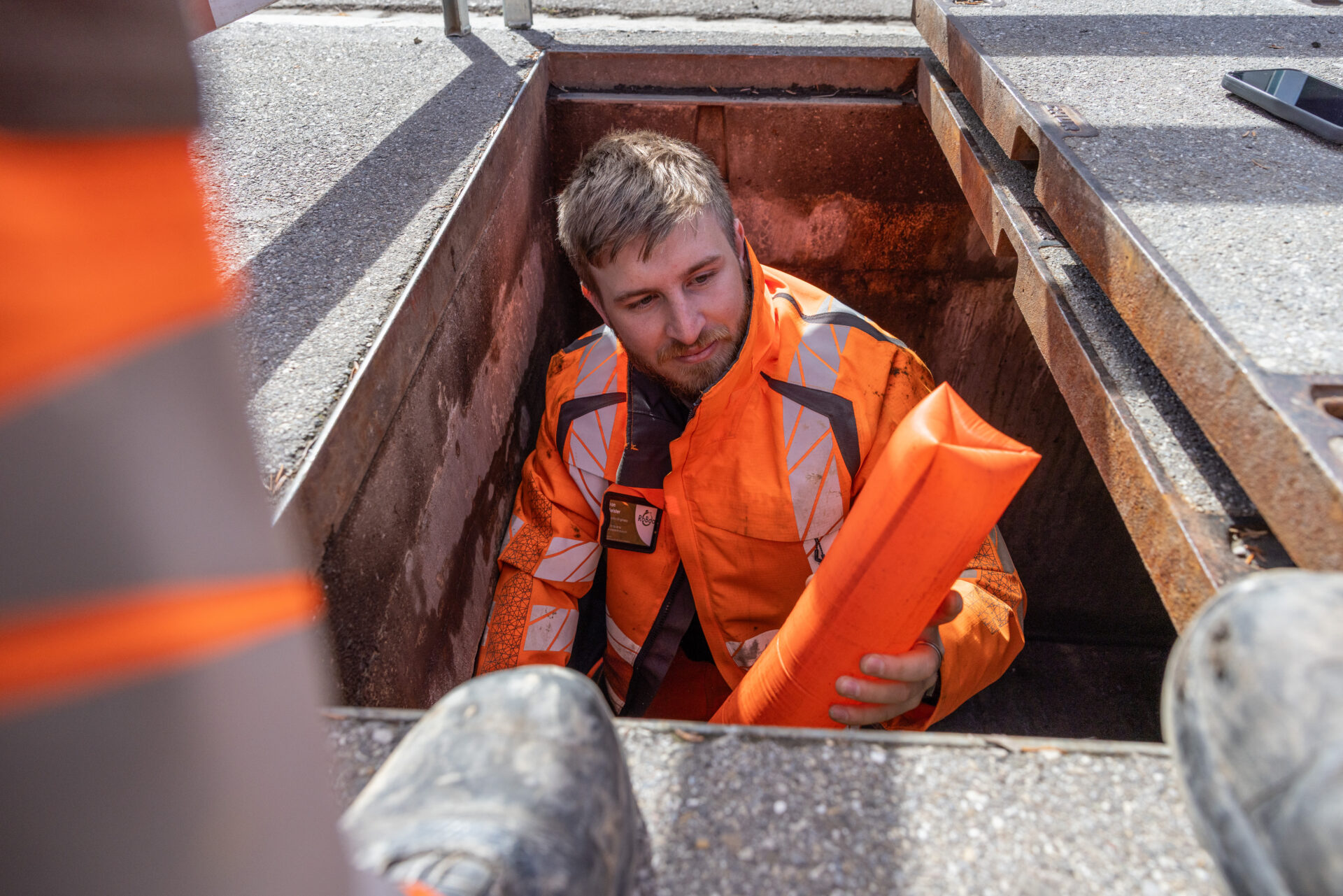
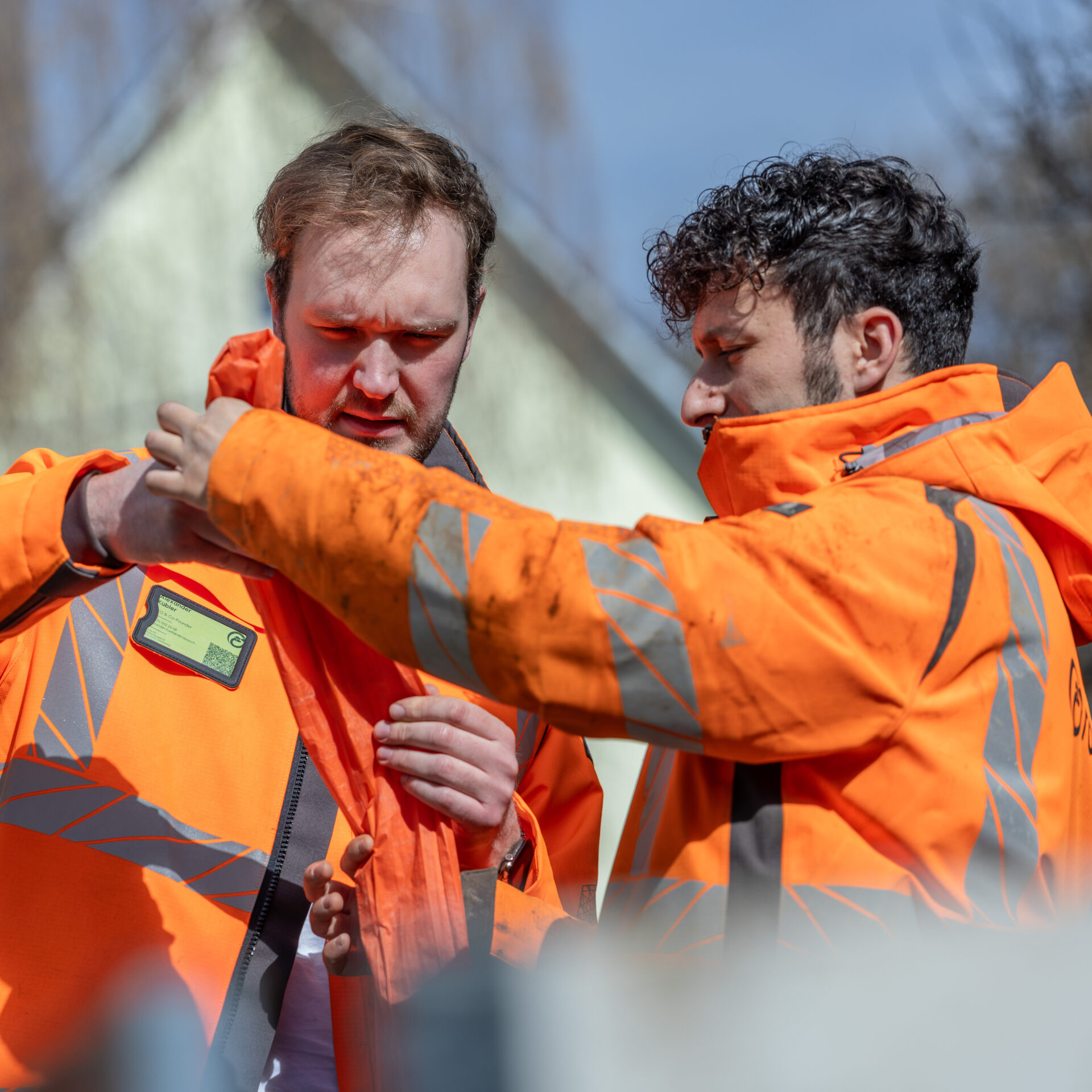
roboa has developed a robot capable of accessing confined and otherwise inaccessible areas. The concept originated as a search-and-rescue project at ETH Zurich. Today, the company focuses on the inspection of pipeline systems as well as fiber optic cable installation.
The core principle: a hose continuously extends forward through air pressure, navigating tight curves and overcoming obstacles without creating friction with the surrounding environment—even over distances of up to 200 meters.
A compact base station at the pipe entry point houses the hose and control unit. At the front end of the hose, an interchangeable head can be equipped with cameras and sensors depending on the application. For cable installation, the head can be omitted. The hose diameter can be adjusted between 20 and 100 millimeters, and data transmission between the head and the base station is either wireless or via cable.
The robot is currently in the pilot phase and is already in use with infrastructure operators and service providers, generating initial revenue. The next steps include expanding the team to around 15 employees, establishing in-house production in Switzerland, and transitioning into the commercial phase.
“We will invest the prize money in building up production and further developing our hose material,” says CEO Alexander Kübler.
“roboa addresses a clear industrial need with a technically elegant solution—spanning everything from materials to control systems. The combination of scalability, real-world applicability, and clearly defined use cases was especially convincing.” — Michelle Tschumi, Jury Member and Head of Startup Finance at Zürcher Kantonalbank

CCRAFT SA (Neuchâtel)
Top 5 Finalist – Winner audience award
Prize money: CHF 5’000
Founded: 2025
10 employees
Headquarters: Neuchâtel
www.ccraft.com
Chips made from lithium niobate
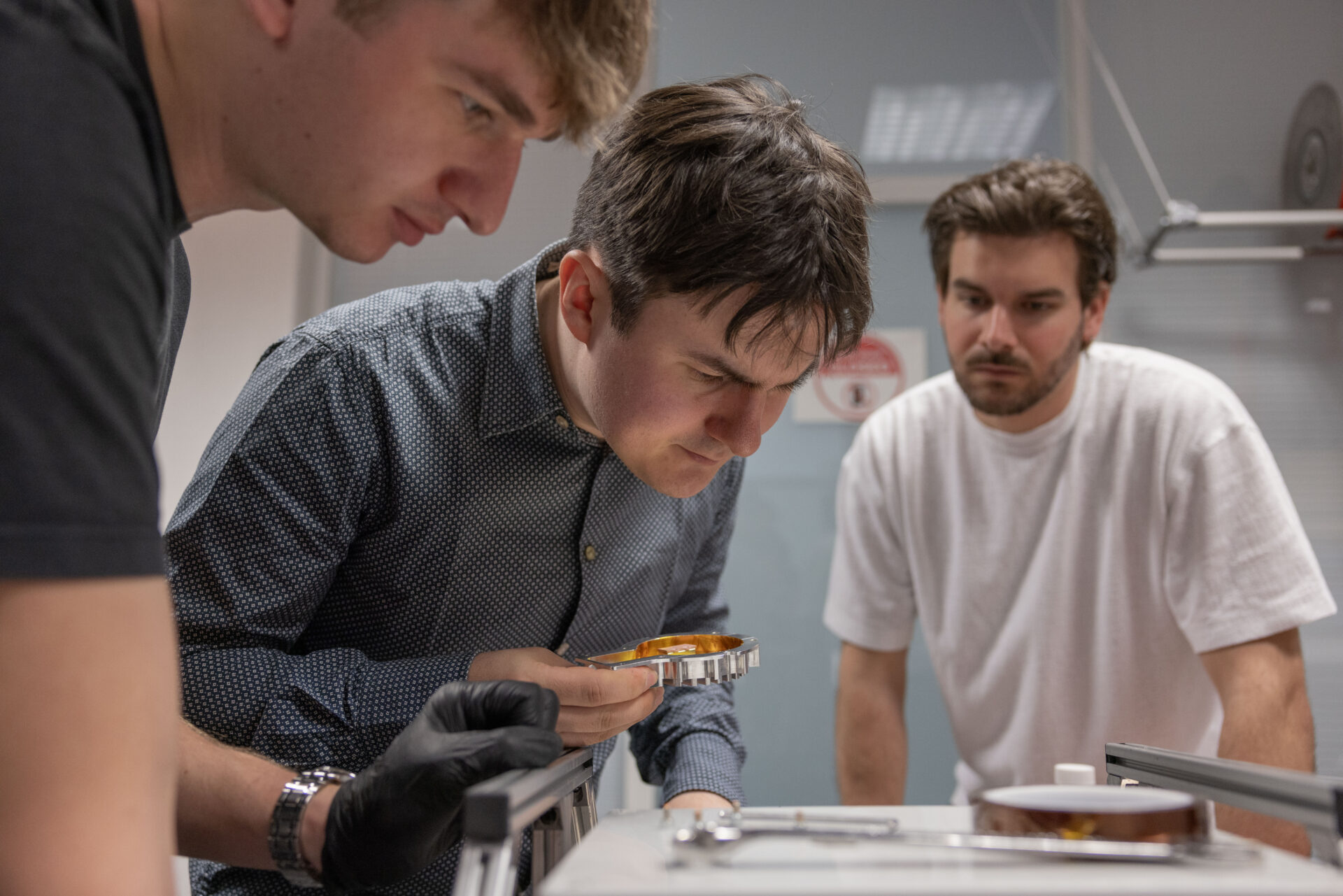
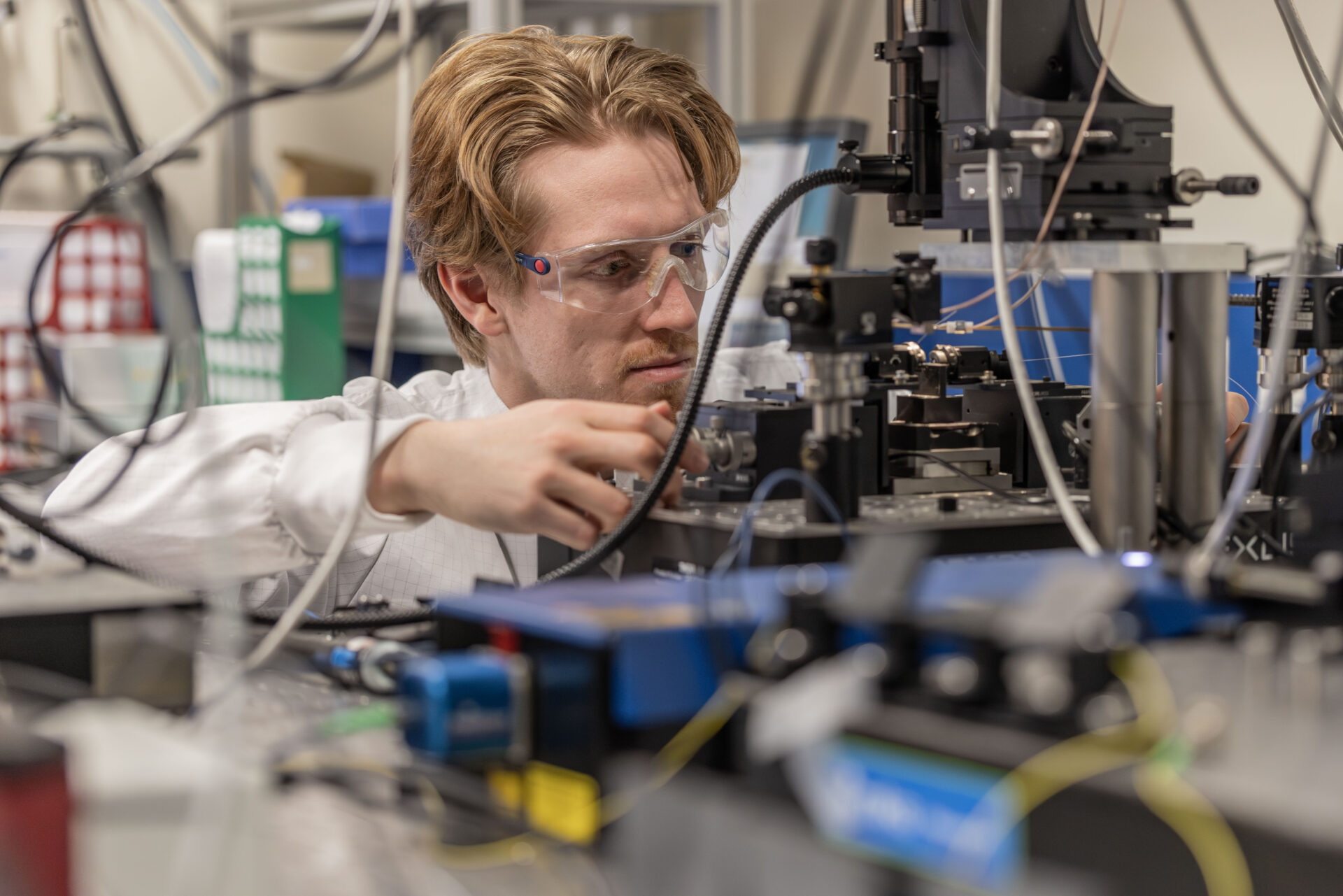
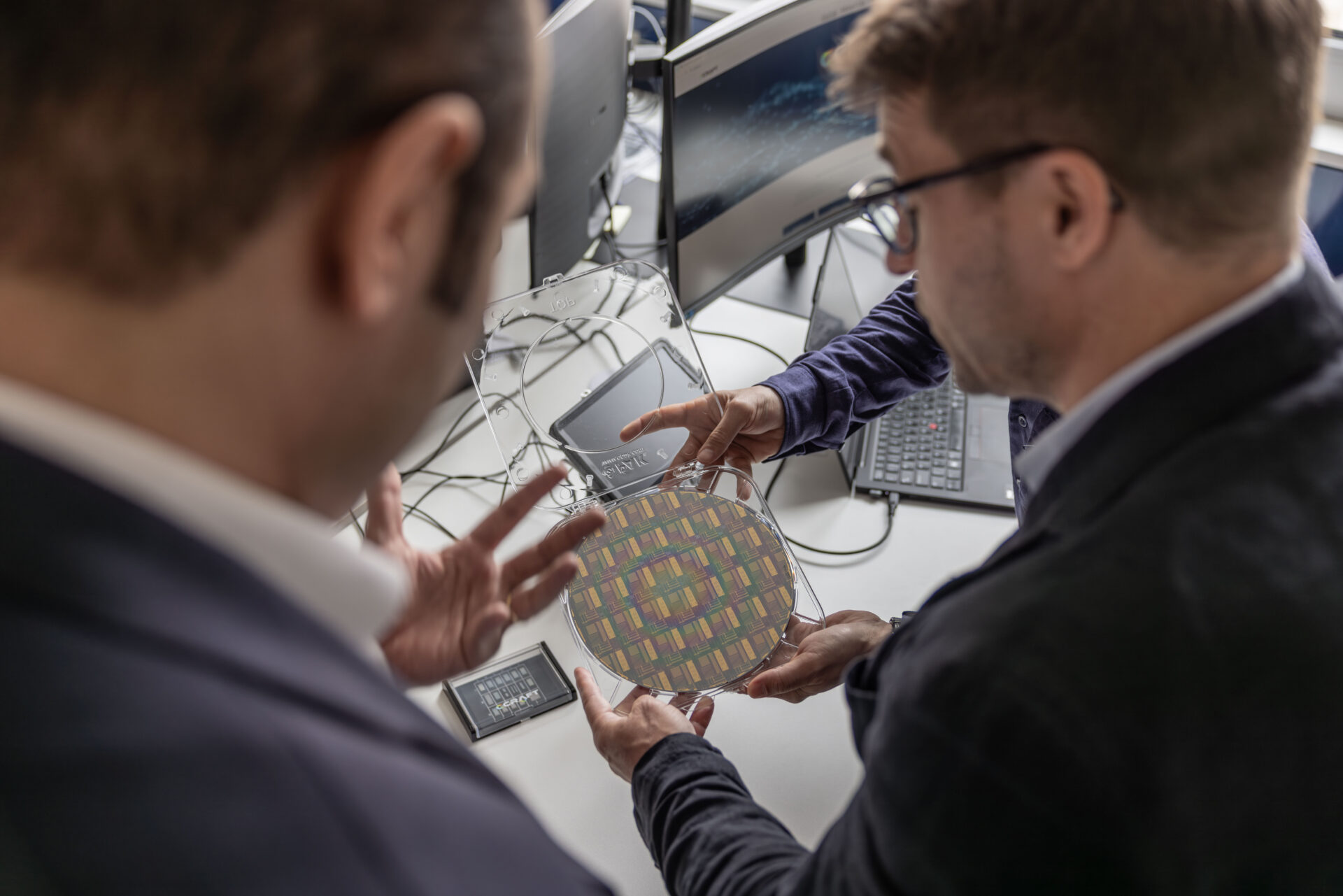
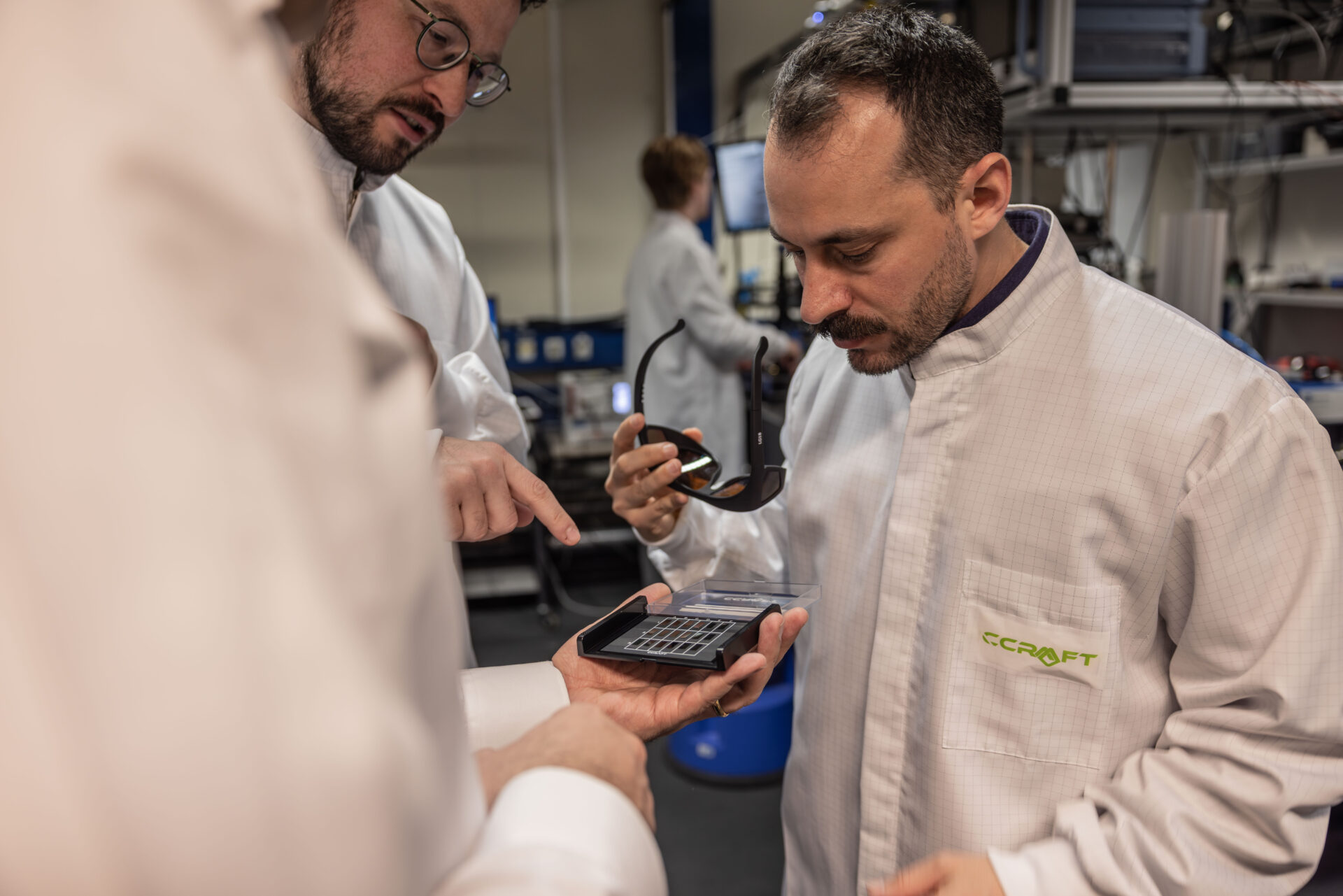
CCRAFT produces new types of chips based on thin-film lithium niobate (TFLN), a crystal that converts electrical signals into light at exceptional speed. Where silicon approaches its physical limits, TFLN chips enable data rates of over 400 Gbit/s with lower power consumption—making them suitable for data centers, AI infrastructure, 6G networks, and quantum computing.
The spin-out from CSEM, a technology innovation center in Neuchâtel, builds on seven years of research and more than CHF 10 million in research investment. Processing TFLN is technically demanding: manufacturing a chip requires more than ten process steps, each with its own challenges. This process expertise represents CCRAFT’s key differentiator compared to competitors.
The company is currently financed through grants, cantonal funding, and initial revenues. A seed financing round to support the next phase of growth is in preparation. From 2027 onwards, CCRAFT plans to begin production on its own equipment in the Neuchâtel region, with full control over the entire manufacturing process.
“Being among the top five gives us credibility with experts from technology, finance, and the Swiss deep-tech ecosystem. That is more valuable than money,” says CEO Hamed Sattari.

Unbound Potential AG (Zurich)
Top 5 Finalist
Founded: 2023
23 employees
Headquarters: Thalwil (ZH)
www.unbound-potential.com
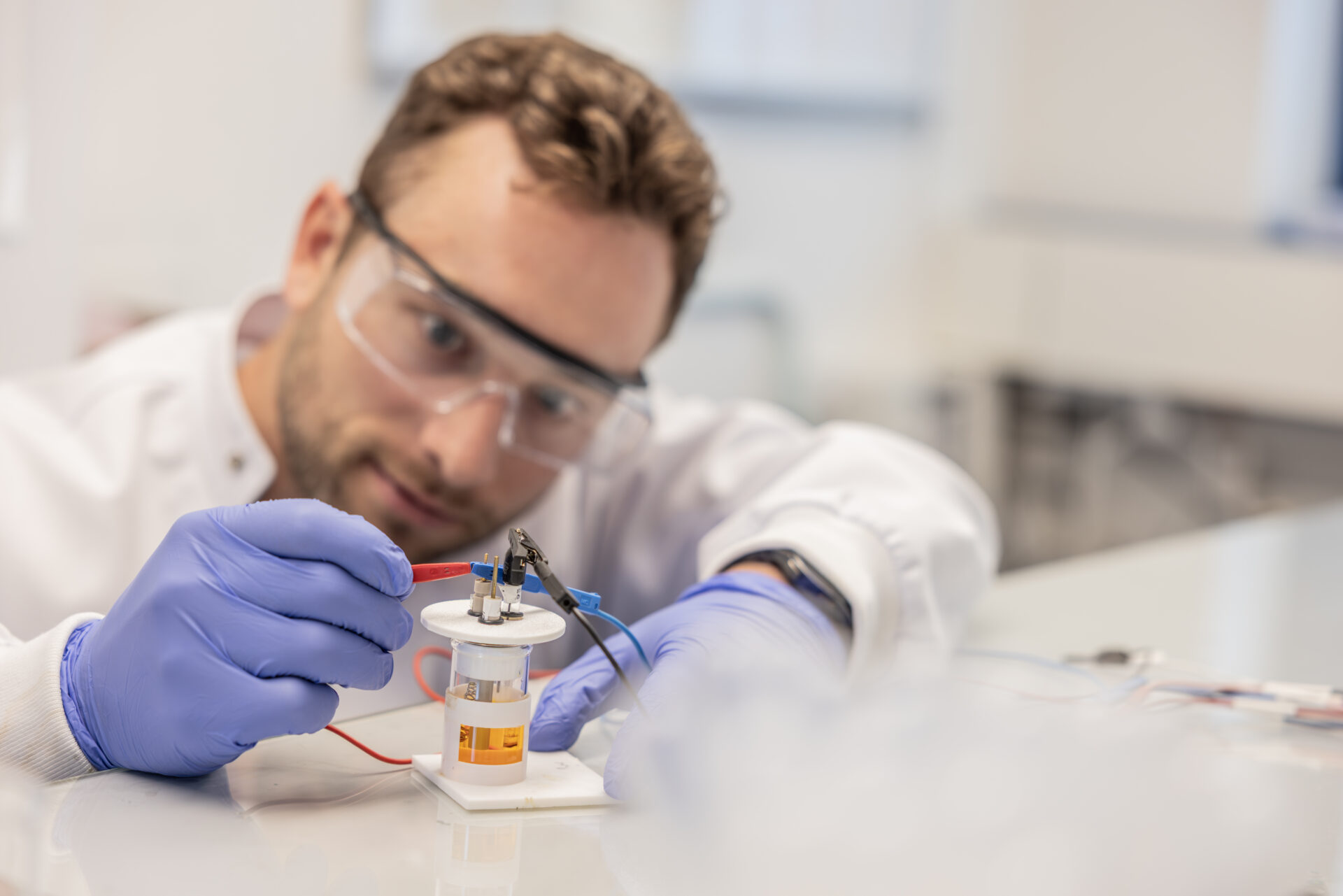
Membrane-free flow batteries
Scalable, safe, and cost-efficient storage technologies are required to buffer energy from solar installations and wind farms. One such solution is flow batteries—stationary energy storage systems that store energy in liquid electrolytes.
In conventional systems, the two liquids within the battery cell must be separated by a complex, costly, and fragile membrane. Unbound Potential’s technology eliminates this requirement. Instead, the ETH spin-off uses two immiscible electrolytes that form a natural interface, similar to oil and water.
The battery is non-flammable and does not rely on critical raw materials. It achieves efficiencies of up to 85% and is designed for 20,000 cycles. In addition, it decouples power from capacity, enabling long-duration storage of more than eight hours.
Installations at a potential customer site and at the company’s own location are planned for 2026 as benchmarks. The primary market is AI data centers, with at least two pilot agreements with operators targeted by the end of the year. Total funding amounts to EUR 14.4 million. The pre-seed round was completed at the end of 2025, with the next financing round planned for the first half of 2027.
“Being part of the top five is public recognition and validation of our technology, our potential, and our strategy by a highly qualified expert jury,” says Co-Founder and CFO Emilio Dal Re.